Workplace civility training teaches specific, learnable skills, what to say and what to do, so low-level rudeness never gets the chance to calcify into conflict or harassment. It’s a preventive, skills-based program built for both employees and supervisors, and it directly supports the goals your harassment prevention policy already claims to have. The EEOC and SHRM both treat it as core infrastructure, not an extra. So does Visionova HR Consulting.
TL;DR:
- Civility training should be layered with harassment prevention efforts, focusing on practical behaviors, not just legal compliance, to promote lasting behavior change.
- Six core modules include respectful behaviors, derailer behaviors, policy review, bystander intervention, feedback techniques, and personal learning commitments.
- Effective training combines live practice, role-play, and refreshers, with facilitated workshops preferable over solely eLearning for skill retention.
- Training outcomes are best measured by confidence levels, incident report trends, and climate surveys, with ongoing leadership modeling crucial for sustainment.
- For organizations dealing with subtle tensions, the recommended approach is to train supervisors first, then hold short staff sessions and one-on-one coaching before issues escalate.
Table of Contents
- What is workplace civility training and why does it matter?
- What modules belong in a civility curriculum?
- Which delivery format fits your organization?
- How do you choose or design a civility training program?
- How do you actually roll this out?
- How do you know it’s working?
- What I’d tell a nonprofit director dealing with this right now
- How Visionova HR Consulting can help
- Where to go for primary guidance
- Sources
What is workplace civility training and why does it matter?
Civility training focuses on the behaviors you want to see, not just the ones you’re trying to legally avoid. That distinction changes everything about how the content lands. A harassment prevention class built around “don’t do this or you’ll get sued” produces compliance theater. A civility program built around “here’s how we talk to each other, even under stress” produces actual behavior change.
SHRM’s research frames civility as resting on empathy, trust, and respect, and it ties that framework directly to engagement and retention numbers leaders already track. The EEOC makes a related point from the compliance side: respectful workplace training reduces the friction that eventually turns into formal harassment complaints. You get both benefits from one investment.
Where should it sit in your broader program? Civility training works best layered underneath your legally mandated harassment prevention training, not instead of it. Think of it this way:
- Harassment prevention training defines the legal floor.
- Civility training builds the skills that keep you well above that floor.
- DEI programming often shares content with civility training but isn’t a substitute for either.
What modules belong in a civility curriculum?
The EEOC’s “Respect in the Workplace” outline gives you a genuinely useful skeleton, and you don’t need to reinvent it. Six modules cover the ground:
- Respectful behaviors: what civility looks like in daily interactions, meetings, and email.
- Derailer behaviors: incivility, abusive conduct, and microaggressions, named specifically enough that people recognize them in themselves.
- Policy review: how your existing anti-harassment policy connects to daily conduct.
- Stepping up, stepping in: bystander intervention, with simple options people can actually use mid conflict.
- Feedback model: a repeatable structure for naming a problem without triggering defensiveness.
- Learning commitments: a personal action plan each participant leaves with.
The EEOC Training Institute recommends running a separate “Leading for Respect” track for supervisors, since managers need practice giving feedback and modeling behavior, not just receiving the same content as their teams.
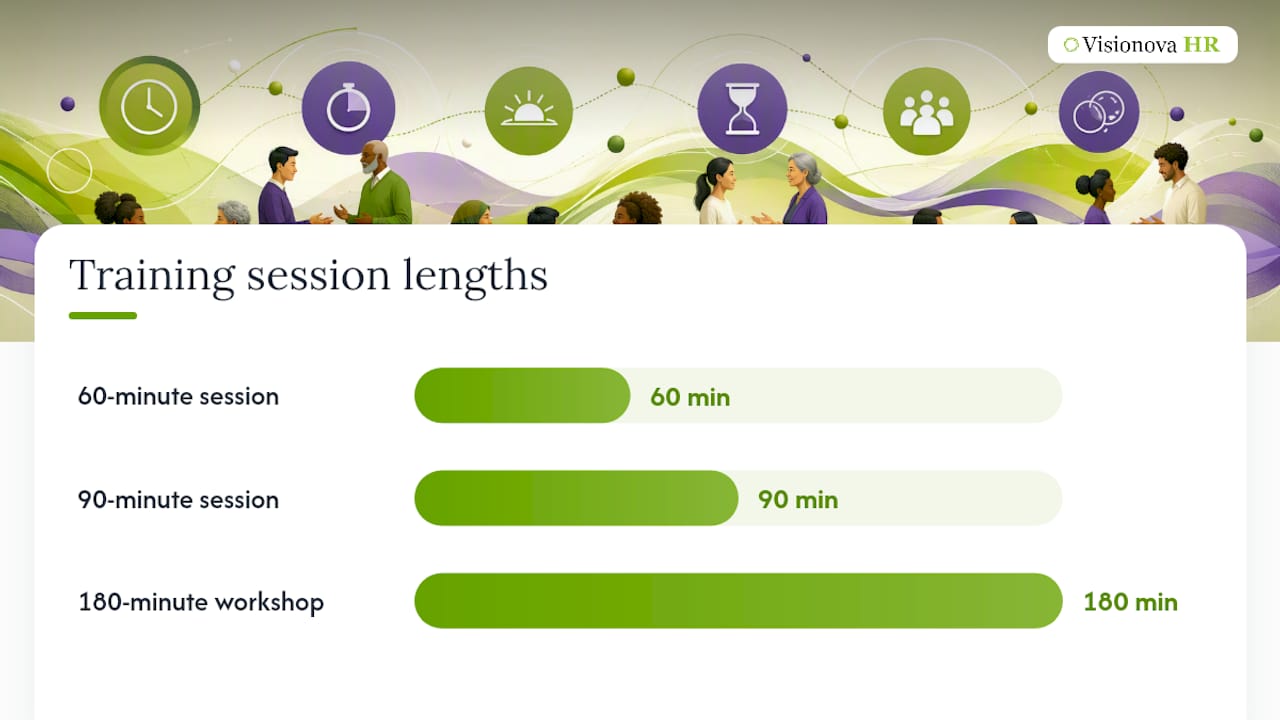
Time budget matters here. A 60-minute session covers respectful behaviors and one derailer category. A 90-minute session adds bystander intervention. A full 180-minute workshop fits all six modules with real practice time.
Pro Tip: Never skip the practice component to save time. A module without role-play is a lecture, and lectures don’t change how people talk to each other in a stressful staff meeting.
Which delivery format fits your organization?
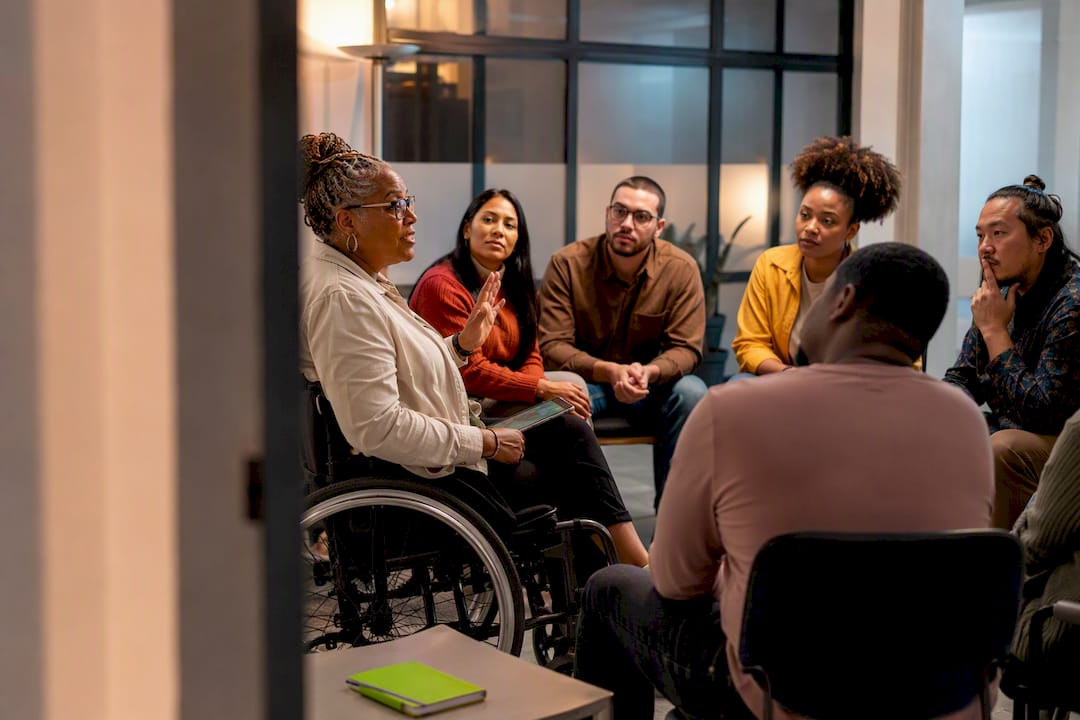
Format should follow your constraints, not the other way around. Self-paced eLearning works for baseline awareness across a distributed or remote staff, but it rarely changes behavior on its own because it skips live practice. Facilitated workshops, whether in-person or over video, deliver the skills practice that actually sticks, especially the feedback model and bystander scenarios.
Short webinars (30 to 45 minutes) work well as microlearning refreshers between full sessions, not as a replacement for them. Train-the-trainer packages let one HR person or a small leadership team certify to deliver the content internally, which matters a lot for a nonprofit running on a lean budget.
- All staff: annual refresher, 60 to 90 minutes, focused on respectful behaviors and bystander intervention.
- Supervisors: a separate module on feedback delivery and modeling, ideally before the all-staff session.
- Leadership: deeper practice on coaching conversations after an incident.
Cadence matters as much as format. Annual full sessions paired with quarterly microlearning nudges outperform a single one-and-done training every time.
How do you choose or design a civility training program?
Whether you’re vetting a vendor or building something internally, run it through this checklist:
- Check content alignment. Does the curriculum map to the EEOC’s module structure or SHRM’s civility framework? If a vendor can’t answer this clearly, that’s a red flag.
- Confirm skills practice exists. Ask directly: “How much time in this session is role-play versus lecture?” You want a real number, not “it’s interactive.”
- Push for customization. Generic scenarios about “Employee A” and “Employee B” don’t transfer. Ask whether the facilitator will build scenarios around your actual staff meetings, shift handoffs, or client interactions, a technique borrowed from behavioral skills training design.
- Demand a separate supervisor track. If everyone gets the same content, your managers aren’t learning how to coach or intervene, just how to behave.
- Ask how outcomes get measured. Completion rates alone tell you nothing about whether behavior changed.
- Check accessibility. Remote staff, shift workers, and employees with disabilities need equivalent access, not an afterthought add-on.
Cost versus depth is a real trade-off. A cheap, off-the-shelf eLearning module beats no training at all, but it won’t move your incident numbers the way a facilitated, multi-session program will.
How do you actually roll this out?
Here’s a rollout sequence that works for organizations without a dedicated training team:
- Announce the goal. Tell staff this is about strengthening how the team works together, not a response to a specific incident (even if it partly is).
- Train supervisors first. They need the skills before they’re expected to model them for their teams.
- Schedule the all-employee session within two to four weeks of the supervisor training.
- Follow up with microlearning at the 30 and 90 day marks.
- Update your policy language to reference the specific behaviors and feedback model the training taught.
Two scripts your managers can use starting today:
Intervening in the moment: “Let’s pause here. I want to make sure everyone’s ideas get heard, so let’s go back to what Maria was saying before we move on.”
Coaching after an incident: “I noticed what happened in Tuesday’s meeting. Can we talk about what was going on for you, and what a different approach might look like next time?”
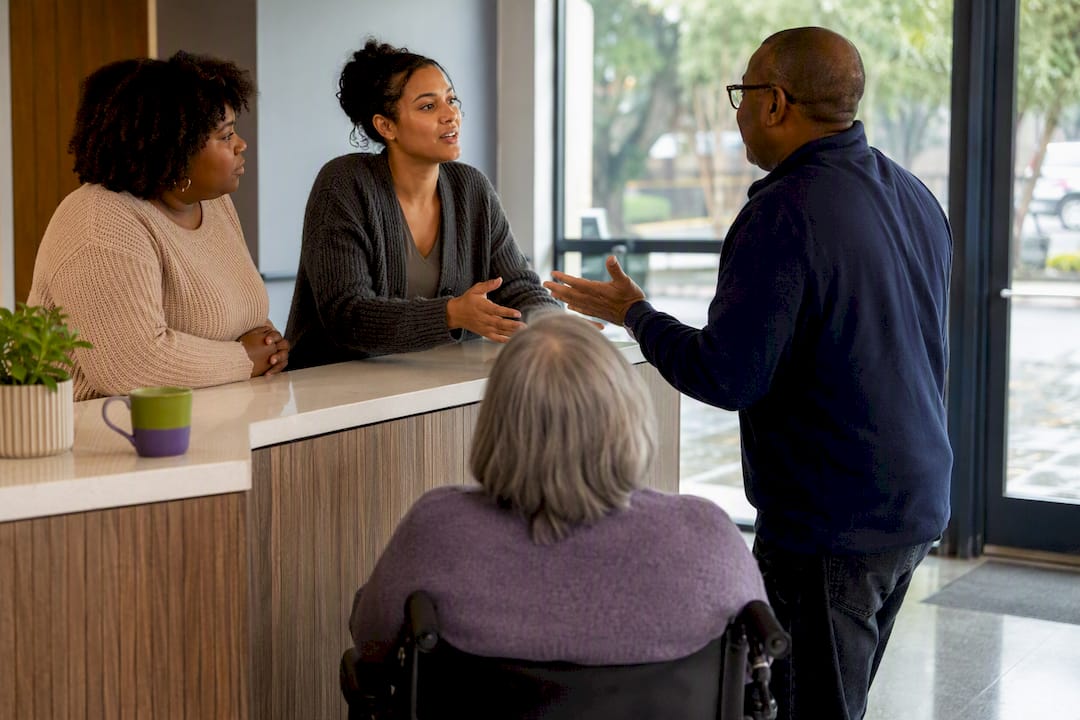
Pro Tip: Build your 10 to 15 minute practice segment around three realistic prompts: a tense staff meeting interruption, a sharp email that landed wrong, and a customer complaint escalating in front of coworkers. Scenarios drawn from real daily friction transfer far better than generic case studies.
How do you know it’s working?
Completion rates tell you almost nothing on their own. Track confidence instead: a short post-training self-efficacy question (“How confident are you intervening when you see disrespectful behavior?”) gives you a real signal. Compare incident reports before and after training, and add a few items from SHRM’s Civility Index to your next climate survey.
Sustainment happens in the small moments, not the annual session. Leaders modeling the feedback model in their own 1:1s, referencing the training’s language during performance conversations, and running a five-minute microlearning refresher at a team meeting all keep the skills alive.
- Track: completion, self-reported confidence, incident report trends, climate survey items.
- Sustain through: leader modeling, integration into 1:1s, brief quarterly refreshers.
When behavior crosses from “uncivil” into “hostile” or discriminatory, training stops being the tool. That’s when it escalates to a formal investigation, and civility training and enforcement need to work as a system, not a substitute for each other.
What I’d tell a nonprofit director dealing with this right now
Here’s the scenario I hear constantly: a program director has two staff members who’ve stopped speaking directly to each other, routing everything through Slack with a tone that makes new hires uncomfortable. Nobody’s filed a complaint. Nobody’s technically broken policy. But morale is sinking, and the executive director just found out.
This is exactly where civility training earns its place, before either the human cost or the legal risk gets worse. My three-step plan: train supervisors on the feedback model first, run a focused 90-minute all-staff session within a month, then have direct one-on-one coaching conversations with the two people at the center of it. A manager can open that conversation today with something like: “I’ve noticed some tension between you two, and I want to help find a way forward before it affects the rest of the team.”
This is general guidance, not legal advice for your specific situation. If you want a hand building this out, reach out to Visionova.
— Bernadette
How Visionova HR Consulting can help
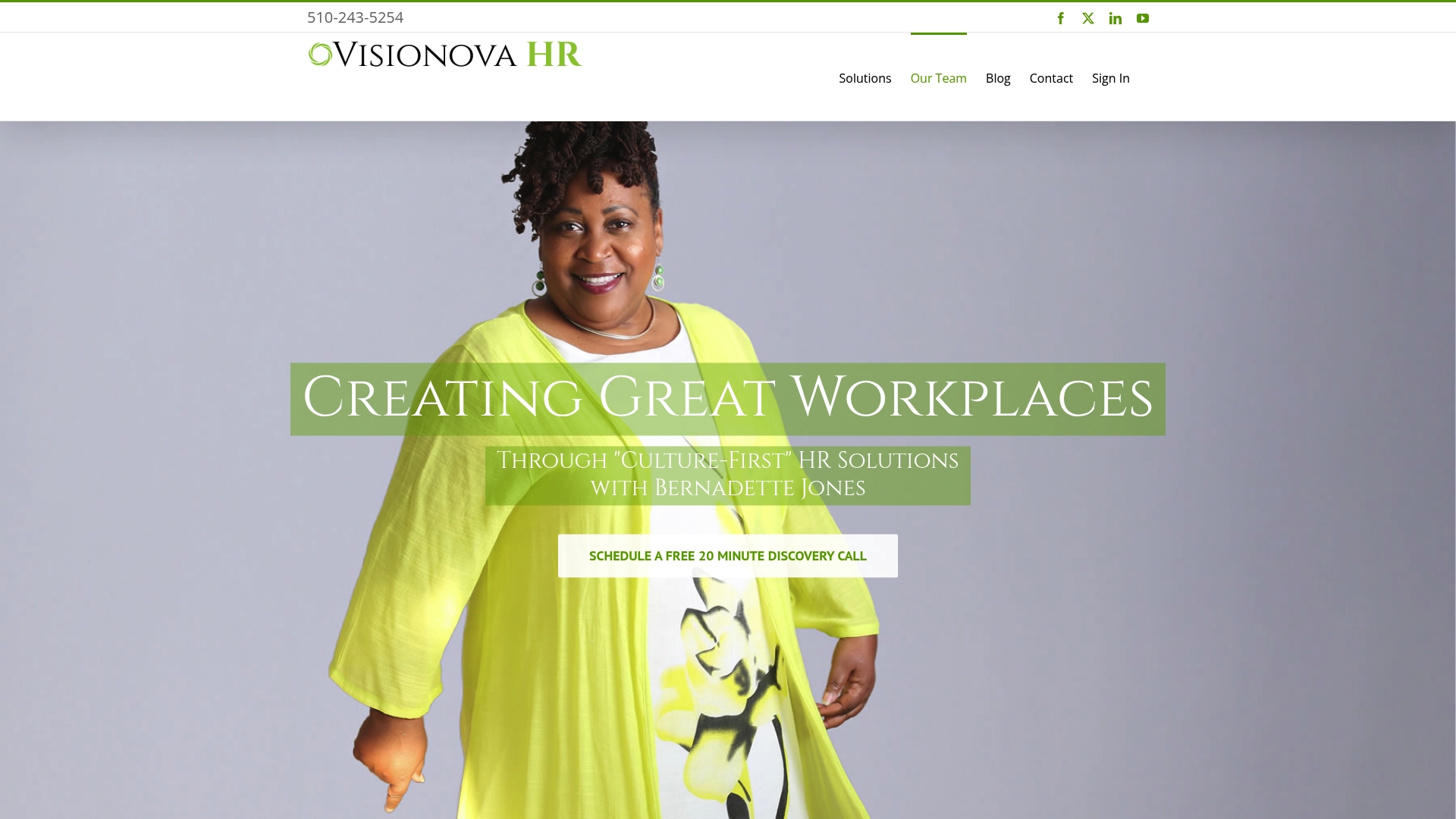
Visionova HR Consulting is the practical alternative to piecing together generic online modules and hoping they stick. We build civility workshops around your actual team dynamics, not stock scenarios, and we train your supervisors separately so they’re ready to coach, not just comply.
A consultation with us starts with a short conversation about what’s actually happening on your team, followed by a customized workshop plan, train-the-trainer materials if you want to run future sessions internally, and an option to fold ongoing support into a monthly HR subscription. If your organization is facing a specific conduct issue that’s already escalated, our guide to high-risk terminations walks through what compliant next steps look like. For a look at how we approach workshop-style training in practice, see our session on leading through workplace conflict. Reach out to schedule a consultation and get a training plan built around your team, not a template.
Where to go for primary guidance
- EEOC’s Respect in the Workplace outline: the module structure this article builds from.
- SHRM civility resources: the Civility Index and measurement tools.
- Vermont’s Workplaces For All guidance: a public-sector model for manager responsibilities.
- Session scripts for role-play design: practical structure for practice segments.
Sources
- Respect in the Workplace: Creating a Respectful Environment for All Employees
- Civility at Work – Civility Index Research
- Workplace Civility Training – Workplaces For All – Vermont.gov
Recommended
Note: This article is for general informational purposes only and is not legal advice. Employment decisions depend on the facts, applicable law, and jurisdiction. Consult qualified employment counsel for guidance on your specific situation.